Constitutional Court Recognizes Mechanical Deprivation of Communication in Punitive Isolation as Unconstitutional
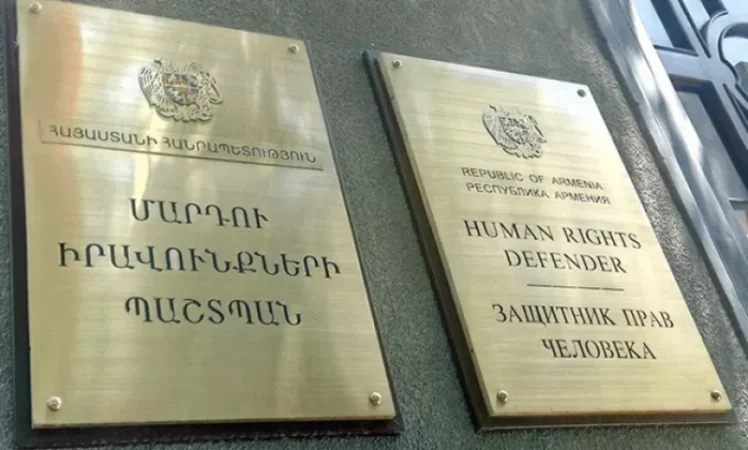
Based on a request from the Human Rights Defender, the Constitutional Court has recognized as unconstitutional legislative provisions that foresee mechanical deprivation of communication with the outside world for individuals held in punitive isolation cells.
The Court has set a deadline of June 5, 2019, for the National Assembly and the Government to align the contested provisions with the requirements of the decision; otherwise, these provisions will be declared null and void. This information was reported by the Human Rights Defender’s office.
The Court’s decision registered that the contested regulations contradict articles of the Constitution that guarantee the inviolability of private and family life, the right to freedom of communication, and the principle of proportionality.
In the request addressed to the Constitutional Court, the Human Rights Defender contested provisions of the Law of the Republic of Armenia on the “Detention and Retention of Arrested and Detained Persons” and the Armenian Criminal Executive Code, as well as certain directives of the Government pertaining to the internal regulations of facilities for detained individuals. These provisions stipulated that transferring a detained individual or convict to a punitive isolation cell resulted in mechanical deprivation of communication with the outside world, regardless of any circumstances, without any exceptions provided.
The Human Rights Defender noted that under such regulations, the punitive measure is characterized by additional deprivations that have no connection to the purposes or reasons for the punishment.
The punitive measure is applied by the decision of the head of the correctional facility, and the question of deprivation of communication does not receive justification. In such conditions, there is also no individual approach, and the risk of the behavior of the deprived individual is not assessed.
The Constitutional Court reaffirmed the Defender’s position that additional restrictions imposed on individuals transferred to punitive isolation must be directly related to the breaches committed, and restrictions on fundamental rights and freedoms must be necessary to achieve a legitimate objective.
The Court confirmed the Defender’s conclusion that isolation in a punitive cell can lead to a state of psychological distress, while providing literature, apart from religious texts, could have a beneficial effect on the individual.
The decision of the Constitutional Court was also based on the international standards, practices, and experiences of other countries regarding the right to communication with the outside world for individuals held in punitive isolation, as referenced by the Human Rights Defender.
Նմանատիպ հոդվածներ




Ավելին Society բաժնից

Եղանակը կտրուկ կփոխվի. սպասվում են ամպրոպ, կարկուտ և քամու ուժգնացում

ՏԵՍԱՆՅՈՒԹ.Ծառուկյանի տանը Հայաստանում թերևս լավագույն պայմաններն են ապահովված եղել կենդանիների համար. ԲՀԿ խոսնակ

Երմոլաևի գործով նոր զարգացում. կասկածյալ կինը հայտնաբերվել է մահացած