Turkey Alarmed: Assad May Restore Armenian Church in Deir ez-Zor
The nationalist Turkish newspaper "Sözcü" features an article by Zeynep Gürcanlı discussing Syrian President Assad's promise to restore the Armenian church in Deir ez-Zor.
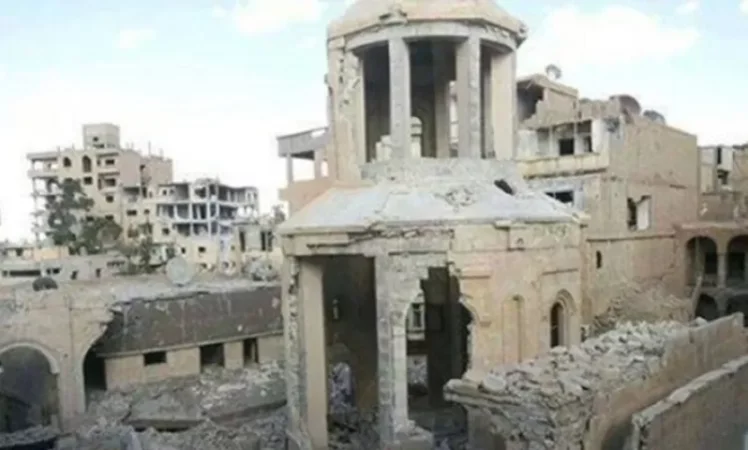
In the piece titled "Assad Reveals the Armenian Card" concerning the Syrian issue, the author addressed the restoration topic of the Church of the Holy Martyrs, built in memory of the victims of the Armenian Genocide.
The Turkish analyst considers Assad's statement as a move directed against Turkey, writing that Assad has emerged victorious in the seven-year-long civil war in Syria, and neighboring Turkey contends with a hostile regime in Syria.
"What do you think should be on Assad’s list of "restoration priorities": energy, urban infrastructures, governmental buildings, or citizens' homes and workplaces? None of these. At the top of Assad's list is the symbol of Turkey's headache—the events of 1915. Last week, Assad met with an Armenian delegation and promised them state support for the restoration of the church built in memory of the so-called 'Armenian Genocide', which was destroyed by the Islamic State (ISIS)," Gürcanlı noted.
Gürcanlı also pointed out that there will be continuity in the collaboration between the Syrian Kurds, who are considered an offshoot of the PKK, and the Syrian authorities. She indicated that such cooperation is already present in Manbij, where the Kurds have ceded control of the city's outskirts to the government army. According to her, this collaboration is supported by Russia and will ultimately become a headache for Turkey.
It is noted that the chapel of the Holy Martyrs, which was destroyed by ISIS members on September 21, 2014, was built on the site of the former St. Hripsime Church and the National School in Deir ez-Zor. The establishment was consecrated on May 12, 1985, by the Catholicos Karekin II of Cilicia. Construction was completed in November 1990, and it is complemented by the Holy Martyrs Memorial. The basement of the chapel houses the rooms of Crucifixion, Martyrdom, and Genocide. It also contains the remains of numerous victims who perished in the deserts of Deir ez-Zor during the Great Genocide.
Before the military operations, around 20 Armenian families resided in Deir ez-Zor.
Նմանատիպ հոդվածներ

Ավելին Society բաժնից

Հայ թենիսիստուհիները փայլեցին Համբուրգում․ Նրանցից երկուսը դուրս եկան 1/8 եզրափակիչ

Գարիկ Սարգսյանը լքում է Վեդիի ղեկավարի պաշտոնը՝ ԱԺ պատգամավոր դառնալու համար
Հուլիսի 21-ին զինծառայող է մահացել․ ՔԿ-ն քրեական վարույթ է նախաձեռնել